Do Cats Sweat
Have you ever wondered if cats sweat like humans do? It’s a common question for cat owners, especially during the sweltering summer months. The truth is, while cats do have sweat glands, they don’t use them in the same way we do. In this article, we will explore the fascinating world of feline perspiration and discover how exactly our furry friends manage to keep cool in the heat. So, grab your favorite feline companion and let’s dive into the mystery of cat sweat!
Understanding Cat’s Unique Physiology
Cats have a physiology that is quite distinct from humans. From their skin to their fur, cats possess unique physical characteristics that contribute to their overall health and well-being. Understanding these differences can help us better care for our feline friends.
Differences from human physiology
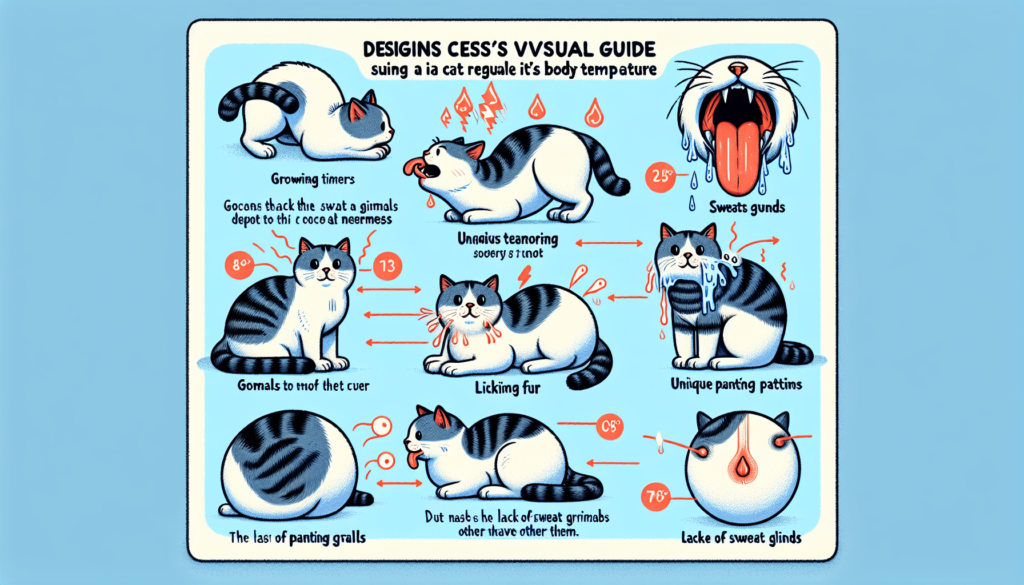
While cats and humans share many similarities in their physiology, there are some key differences. One noticeable distinction is the structure of their skin. Cats have a more elastic and loose skin compared to humans, which allows them to move freely and perform acrobatic feats with ease. This flexible skin also provides them with protection against injuries.
Cat’s skin and fur specifics
A cat’s skin is covered in dense fur, which plays a crucial role in regulating their body temperature. The fur acts as insulation, keeping cats warm in colder temperatures and cool in hotter climates. Additionally, a cat’s fur can change in thickness depending on the season, allowing them to adapt to different weather conditions effectively.
Role of sweat in a cat’s body
Contrary to popular belief, cats do sweat, but not in the same way humans do. While humans have sweat glands all over their bodies, cats possess sweat glands primarily on their paw pads. These glands are responsible for producing sweat, which helps cool down their bodies when they are overheated or stressed.
Do Cats Sweat?
The notion of cats sweating may seem unusual, as we typically associate sweating with humans. However, cats do have their ways of cooling off, albeit different from our own methods.
General notion of sweating in cats
Cats have a less evident sweating mechanism compared to humans. Unlike humans who visibly sweat through their skin, cats’ sweat glands are primarily located on their paw pads. Instead of producing copious amounts of sweat, cats release a minimal amount through their paw pads to cool down.
How to identify cat’s sweating
Identifying when your cat is sweating can be challenging since their sweat glands are primarily on their paw pads. However, you may notice damp or moist paw pads as a sign that your cat is sweating. This can occur during particularly hot weather or after an intense play session.
Why cats sweat less than humans
Cats sweat less than humans due to their different physiological makeup. Their sweat glands are limited to the paw pads, making the sweating process less noticeable. Additionally, cats have evolved other cooling mechanisms, such as grooming and seeking cooler environments, which are more effective in regulating their body temperature.
Where Do Cats Sweat From?
Now that we know cats sweat primarily from their paw pads, let’s explore this unique sweating mechanism further.
Paw pads – primary sweat glands
The paw pads in cats are not only crucial for traction and protection but also serve as their primary sweat glands. These pads contain numerous sweat glands that release moisture when the cat is overheated or anxious. The evaporation of this moisture helps cool down their bodies and maintain a stable internal temperature.
Secondary sweat glands in cats
In addition to the sweat glands on their paw pads, cats also have secondary sweat glands located on their chin, lips, and other areas of their body. However, these secondary sweat glands play a minor role in the overall cooling process and are not as significant as the primary glands on the paw pads.
Difference between sweat locations in cats and other animals
When comparing cats to other animals, the location of their sweat glands is unique. While humans and some other animals have sweat glands distributed throughout their bodies, cats have concentrated sweat glands on their paw pads. This distinction in sweat gland distribution is an intriguing aspect of feline physiology.
When Do Cats Sweat?
Cats sweat in specific situations and circumstances. Let’s take a closer look at the common scenarios that can induce sweating in cats.
Sweating due to high temperatures
Just like humans, cats can sweat more during hot weather. When the surrounding environment is excessively warm, cats rely on their sweat glands to release moisture from their paw pads to cool down. This natural cooling mechanism helps them regulate their body temperature and prevent overheating.
Sweating as a result of excessive anxiety or stress
Cats can also sweat when they are feeling anxious or stressed. Some cats may develop sweaty paws or damp fur when faced with stressful situations, such as visits to the vet or encountering unfamiliar people or animals. Sweating in these instances is a natural response to the cat’s heightened emotions.
Physical exercise-induced sweating
Engaging in physical activities can cause cats to sweat. When cats exert themselves through play, hunting, or intense exercise, they may experience increased sweating to dissipate excess heat generated by their muscles. This sweating helps them maintain a comfortable body temperature during periods of physical exertion.
Other Cooling Mechanisms in Cats
Sweating is just one of the ways cats cool themselves down. They have evolved various other mechanisms to regulate their body temperature effectively.
Grooming and evaporation cooling
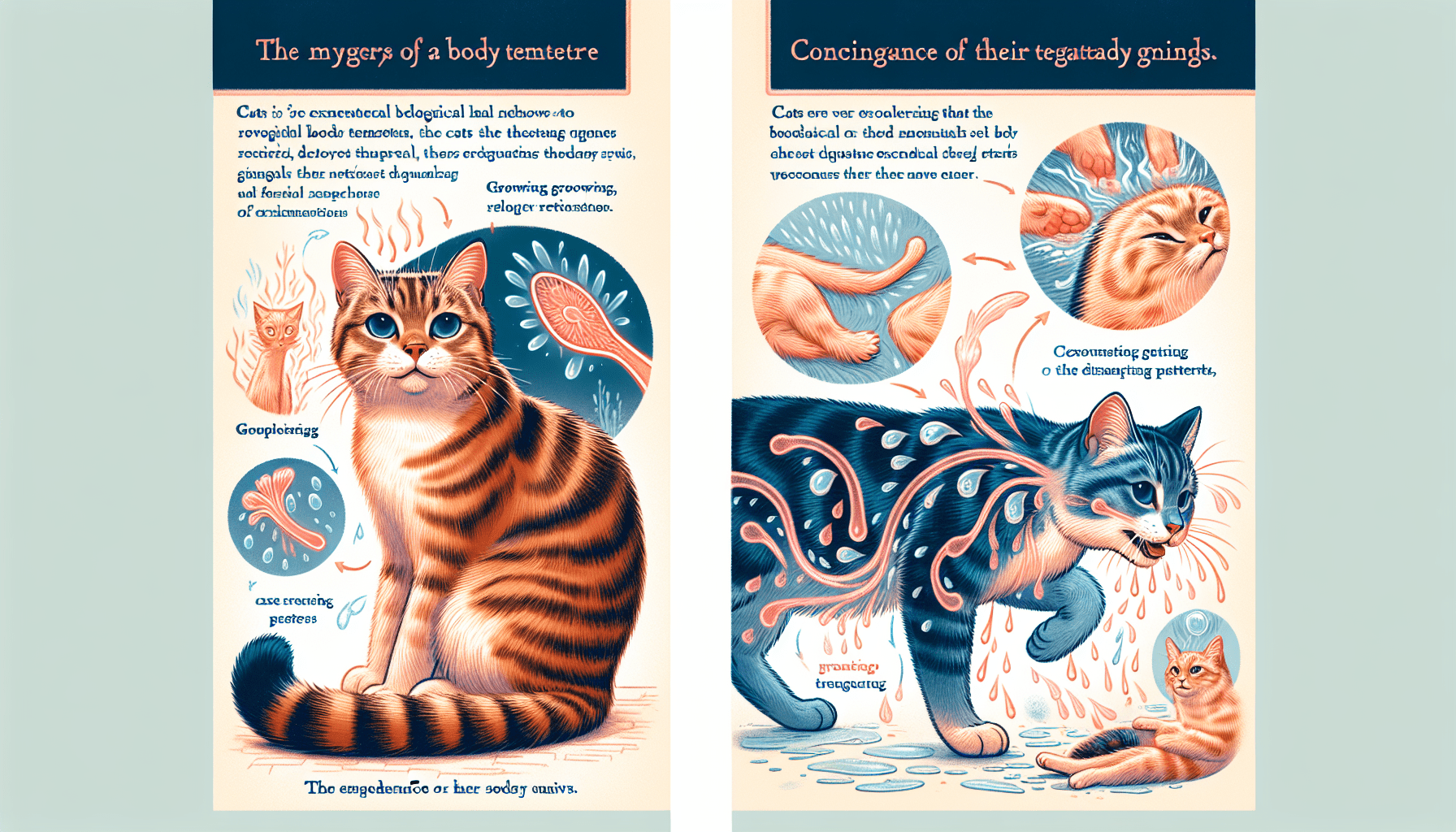
Cats are known to be meticulous groomers. They use their tongues to clean their fur, which has a cooling effect. As saliva evaporates from their fur, it takes away heat from their bodies, providing a natural cooling process. This grooming behavior, combined with evaporation cooling, helps cats maintain a comfortable body temperature.
Seeking cooler environments
When cats feel too warm, they often seek cooler spots to relax or sleep. You might find your cat resting on a cool tile floor, seeking the shade of a tree, or curling up in a cool corner of the house. By finding cooler environments, cats can reduce the need for excessive sweating and prevent overheating.
Resting and lethargy as a regulation technique
If a cat is feeling particularly hot, they may choose to rest more or be lethargic. By limiting physical activity, cats can conserve their energy and reduce internal heat production. This self-regulatory behavior is another way that cats prevent excessive sweating and maintain a balanced body temperature.
Sweating as an Indicator of Health Issues
While sweating is a normal physiological response in cats, excessive sweating or changes in sweating patterns can sometimes indicate underlying health issues.
Sweating due to fever or infection
If your cat is sweating excessively without any apparent cause, it could be a sign of an underlying fever or infection. Fever increases the body’s metabolic rate, leading to increased sweating as the cat’s body attempts to cool down. If you notice excessive sweating accompanied by other symptoms like lethargy or loss of appetite, it is essential to consult a veterinarian for a proper diagnosis and treatment.
Heart problems causing excessive sweating
Certain heart conditions can cause cats to sweat profusely. Cats with heart disease may experience an increased workload on their hearts, leading to excessive sweating as their bodies try to compensate for the compromised cardiovascular function. If you observe excessive sweating, coughing, difficulty breathing, or exercise intolerance, it is crucial to seek veterinary care promptly.
Hyperthyroidism and sweating in cats
Hyperthyroidism, a common hormonal disorder in cats, can also affect sweating patterns. The overproduction of thyroid hormones can lead to increased metabolic activity, causing cats to sweat more than usual. If you notice your cat sweating excessively, along with weight loss, increased appetite, or restlessness, it could be indicative of hyperthyroidism, and a veterinary evaluation is recommended.
Common Myths about Cats and Sweating
There are several misconceptions when it comes to cats and sweating. Let’s debunk some of the most common myths surrounding this topic.
Cats don’t sweat
Contrary to popular belief, cats do sweat. While their sweating mechanism differs from humans, cats do have sweat glands on their paw pads, allowing them to release moisture to cool down.
If a cat is wet, it means it’s sweating
Not all wetness on a cat’s fur is due to sweating. Cats can become wet from other sources, such as grooming or coming into contact with water. Wet fur does not necessarily indicate sweating.
All cats sweat profusely in hot weather
Cats, like humans, have varying tolerance levels to heat. Some cats may sweat more in hot weather to regulate their body temperature, while others may rely more on other cooling mechanisms such as grooming or seeking shade. Sweating patterns can differ among individual cats and should not be generalized.
How to Help Your Sweating Cat
If you notice that your cat is sweating more than usual or exhibiting signs of discomfort in hot weather, here are some ways you can help them stay cool and comfortable.
Ensuring an optimal environment
Create a cat-friendly environment by providing cool and shaded areas for your cat to rest. This can include setting up fans or air conditioning, offering access to cool surfaces like tiles, and providing fresh water at all times. A comfortable and cool environment can help alleviate excessive sweating in cats.
Reducing stress for your cat
Stress can contribute to increased sweating in cats. Minimize stressors in your cat’s life by establishing a consistent routine, providing sufficient mental and physical stimulation, and creating safe spaces where they can retreat when feeling anxious. A stress-free environment can help regulate your cat’s sweating patterns.
When to seek veterinary help
If you notice excessive sweating persisting for an extended period or your cat exhibiting other concerning symptoms, it is crucial to seek veterinary assistance. A veterinarian can evaluate your cat’s overall health, conduct necessary tests, and provide appropriate treatment if there are underlying health issues contributing to excessive sweating.
Differences in Sweating across Cat Breeds
Different cat breeds exhibit variations in various aspects, including sweating patterns. Let’s explore some factors that can influence sweating across different cat breeds.
Are there breed-specific differences?
While there is limited research on breed-specific differences in cat sweating, it is plausible that certain breeds may have variations in their sweating patterns. Factors such as coat density or body shape may affect the ability of sweat to evaporate effectively and influence how much a cat sweats.
Does the thickness of the coat affect sweating?
A cat’s coat thickness can impact their sweating process. Cats with dense coats may have more difficulty in evaporating sweat, potentially leading to increased sweating when faced with high temperatures. Breeds with shorter or thinner coats may have an advantage in cooling down more efficiently.
How do older cats sweat compared to kittens?
As cats age, their ability to regulate body temperature may decline. Older cats may have a lower sweating response compared to kittens or younger cats. It is essential to monitor older cats closely during hot weather and provide extra measures to help them stay cool.
Investigations and Research on Cat Sweating
While cat sweating has been a topic of interest for researchers, many questions remain unanswered. Let’s take a closer look at the historical understandings, modern research, and future directions in the study of cat sweating.
Historical understandings of cat sweat
Historically, cat sweat has been a topic of speculation and observation. Ancient Egyptians, for example, believed that cats could “sweat from their tails” to cool down. However, our understanding of cat sweat has significantly evolved thanks to scientific advancements.
Modern research and findings
Recent research has shed light on the unique sweating mechanisms in cats. Studies have confirmed the presence of sweat glands on cat paw pads and have examined the composition and function of these glands. This research has deepened our understanding of how cats regulate their body temperature through sweating.
Unanswered questions and future research directions
Despite the progress made in understanding cat sweating, there are still many unanswered questions. Future research could explore breed-specific differences in sweating, investigate the relationship between sweating and coat density, and further examine the impact of age on sweating patterns in cats. Continued research in these areas will provide valuable insights into feline physiology and help us provide optimal care for our feline companions.
In conclusion, understanding cat sweating is essential for providing proper care and ensuring the well-being of our feline friends. Although cats have a unique sweating mechanism compared to humans, their ability to regulate body temperature through sweating, combined with other cooling mechanisms, allows them to thrive in various environments. By recognizing the signs of sweating, creating a comfortable environment, and seeking veterinary assistance when necessary, we can help our cats stay cool and healthy.