Can Cats Eat Cheese
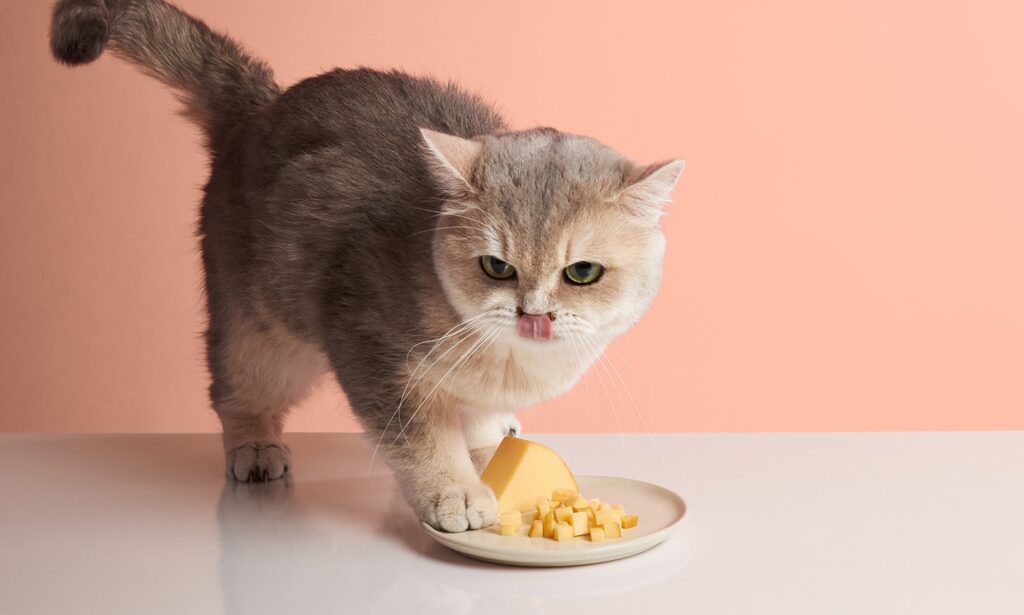
If you’re a cat owner, you may have wondered whether it’s safe to give your feline friend a taste of cheese. As much as we love indulging in this delectable dairy treat, can cats eat cheese too? While cats are known for being picky eaters, cheese seems to be an irresistible temptation for them. In this article, we’ll explore whether cats can safely consume cheese and what you should keep in mind if you decide to share this snack with your furry companion.
Overview of Feline Dietary Needs
Understanding the carnivorous nature of cats
As a cat owner, it’s important to understand that your feline friend is a natural carnivore. This means that their bodies are designed to thrive on a diet that is primarily made up of animal proteins. Unlike humans and some other animals, cats lack the necessary enzymes to efficiently digest and utilize plant-based foods. As a result, their bodies are best equipped to handle diets that consist mainly of meat.
The importance of proteins in cat diets
Proteins play a crucial role in the overall health and well-being of cats. They provide the necessary building blocks for muscle growth, repair, and maintenance. Proteins are also essential for the production of enzymes, hormones, and antibodies that are vital for various physiological processes in the cat’s body. Without an adequate intake of high-quality proteins, cats can suffer from muscle wastage, weakened immune systems, and overall poor health.
Reasons why cats require minimal carbohydrates
Unlike humans and some other animals that rely on carbohydrates for energy, cats have a limited ability to metabolize carbs efficiently. In the wild, their prey would provide them with the majority of their energy needs through proteins and fats. Carbohydrates, if consumed in excess, can lead to weight gain, obesity, and related health issues in cats. Therefore, it is crucial to minimize the amount of carbohydrates in a cat’s diet and focus on providing them with protein and fat-rich foods.
Nutritional Composition of Cheese
The high-fat content of cheese
Cheese is known for its high-fat content, which can be problematic for cats if consumed in large amounts. While fat is an essential part of a cat’s diet, too much fat can lead to weight gain and obesity. It is important to choose low-fat cheese options and feed them to cats in moderation to avoid potential health issues.
Various types of proteins in cheese
Cheese is a protein-rich food that contains various types of proteins, including casein and whey proteins. These proteins can be beneficial for cats as they provide the essential amino acids needed for growth and overall health. However, it is important to remember that cheese should not be the sole source of protein in a cat’s diet and should be complemented with other protein-rich foods to ensure a balanced diet.
Lactose levels in different types of cheese
Lactose, a sugar found in milk and dairy products, can be difficult for cats to digest. Some cats lack the necessary enzyme, lactase, to break down lactose, resulting in lactose intolerance. The lactose levels in different types of cheese can vary, with aged and hard cheeses generally containing lower levels of lactose compared to soft and fresh cheeses. It is important to choose cheeses with lower lactose content when feeding them to lactose-intolerant cats.
Lactose Intolerance in Cats
Explanation of what lactose intolerance is
Lactose intolerance in cats refers to their inability to properly digest lactose, the sugar found in milk and dairy products. This occurs when cats lack the enzyme lactase, which is responsible for breaking down lactose into more easily digestible forms. When lactose remains undigested in the cat’s system, it can cause gastrointestinal discomfort and other related symptoms.
Why many cats are lactose intolerant
Lactose intolerance is common in cats as they naturally lose the ability to produce the lactase enzyme after weaning. This is because milk is no longer a necessary part of their diet once they are consuming solid food. Therefore, it is not uncommon for adult cats to be lactose intolerant, with their bodies unable to efficiently process lactose.
Symptoms of lactose intolerance in cats
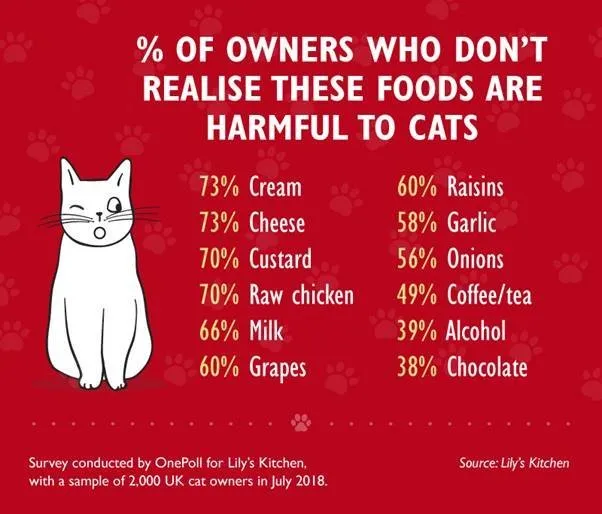
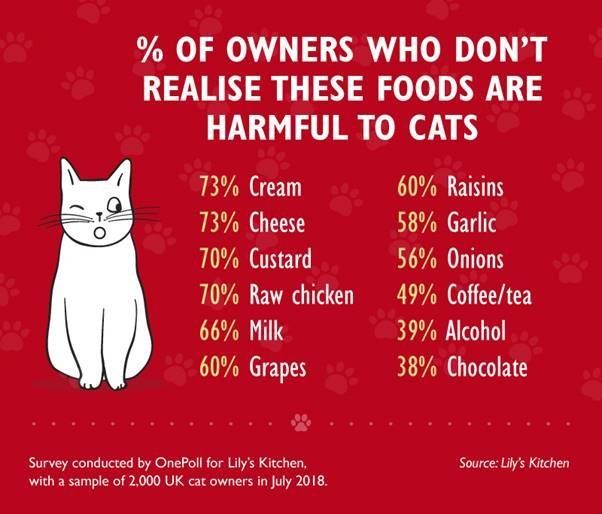
If your cat is lactose intolerant, you may notice symptoms such as diarrhea, bloating, gas, and abdominal discomfort after consuming dairy products. These symptoms can vary in severity depending on the individual cat and the amount of lactose ingested. If you suspect that your cat may be lactose intolerant, it is best to avoid feeding them dairy products, including cheese.
Potential Dangers of Feeding Cheese to Cats
Health risks due to high-fat content in cheese
Feeding cheese to cats in excess can lead to health risks associated with its high-fat content. Cats are prone to obesity, and a high-fat diet can contribute to weight gain and related health issues such as diabetes and heart disease. It is crucial to only offer cheese as an occasional treat and not as a regular part of their diet to mitigate these risks.
Long term risks of obesity and heart diseases
Obesity is a significant concern for cats, and a diet high in fat can contribute to weight gain and obesity-related health problems. Cats that are overweight or obese are more susceptible to developing heart diseases, joint problems, and other conditions that can impact their quality of life. Therefore, it is essential to monitor your cat’s weight and ensure they are not consuming excessive amounts of high-fat foods like cheese.
Potential for gastrointestinal upset
Feeding cheese to cats can increase the risk of gastrointestinal upset, especially in lactose-intolerant cats. As mentioned earlier, cats lack the necessary lactase enzyme to digest lactose, and feeding them cheese, which contains lactose, can lead to diarrhea, gas, and abdominal discomfort. It is important to be mindful of your cat’s digestive system and avoid feeding them foods that can cause gastrointestinal issues.
Benefits of Feeding Cheese to Cats
Protein content in cheese
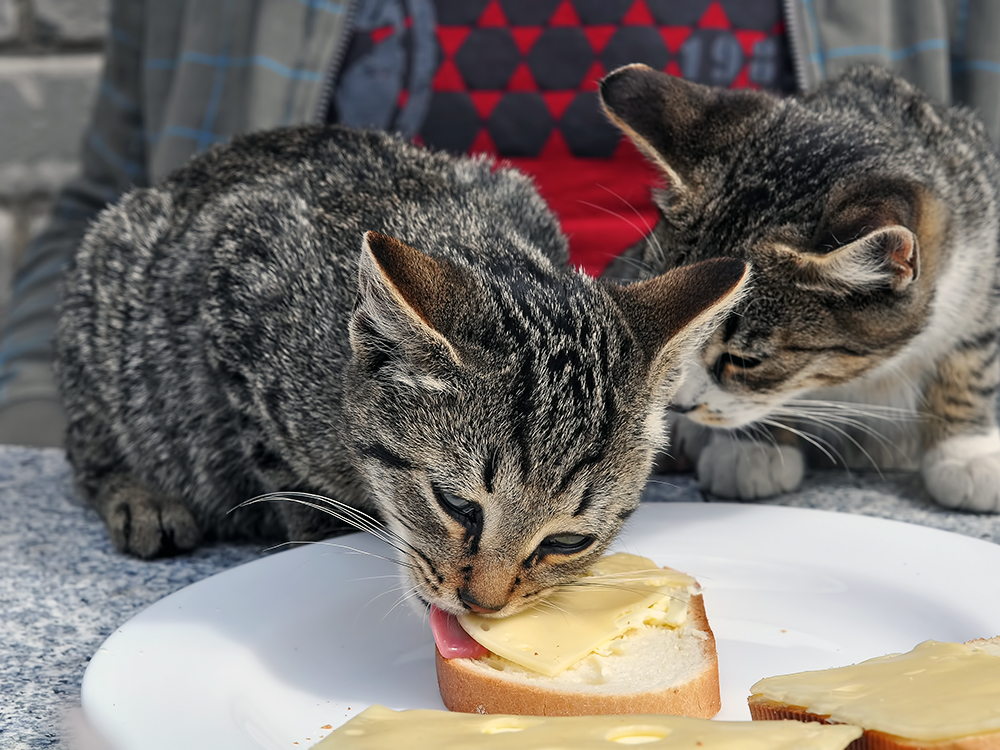
One of the benefits of feeding cheese to cats is its protein content. Cheese is a good source of protein and can provide cats with essential amino acids necessary for their overall health. However, it is important to remember that cheese should not be the primary source of protein in a cat’s diet. It should be offered in moderation alongside other protein-rich foods to ensure balanced nutrition.
Calcium and other minerals in cheese
Cheese is also a source of calcium and other minerals that are important for a cat’s bone health and overall well-being. Calcium plays a crucial role in the development and maintenance of strong bones and teeth. However, it is essential to consider the overall mineral balance in a cat’s diet and not rely solely on cheese to meet their calcium needs. A well-rounded diet with a variety of nutritious foods is crucial for optimal feline health.
Palatability of cheese
Another benefit of feeding cheese to cats is its palatability. Many cats find the taste and texture of cheese appealing, making it a useful tool for administering medication or encouraging fussy eaters to consume their food. However, it is important to remember that cheese should only be used sparingly as a treat or reward, and not as a substitute for a balanced diet.
Feeding Small Amounts of Cheese to Cats
Justification for using cheese as an occasional treat
Feeding small amounts of cheese to cats can be justified as an occasional treat due to its palatability and potential positive effects on medication administration. Offering a small piece of cheese as a reward or to mask the taste of medication can make these experiences more pleasant for both the cat and the owner. However, it should be noted that treating cheese as an occasional indulgence helps to avoid any negative health consequences.
Reasons for avoiding regular feeding of cheese
While cheese can be enjoyed as a treat, regular feeding of cheese to cats should be avoided. The high-fat content of cheese can lead to weight gain and obesity, increasing the risk of various health problems. Furthermore, the lactose content in cheese can cause gastrointestinal upset, especially in lactose-intolerant cats. It is important to prioritize a balanced diet that meets all of your cat’s nutritional needs.
Monitoring cat’s reaction after cheese consumption
After feeding your cat cheese, it is essential to monitor their reaction for any signs of digestive upset or discomfort. Keep an eye out for changes in bowel movements, excessive gas, or any other unusual symptoms. If any adverse reactions occur, it may be best to limit or eliminate cheese from your cat’s diet altogether.
Usage of Cheese in Cat Medication
Benefits of using cheese as a medical aid
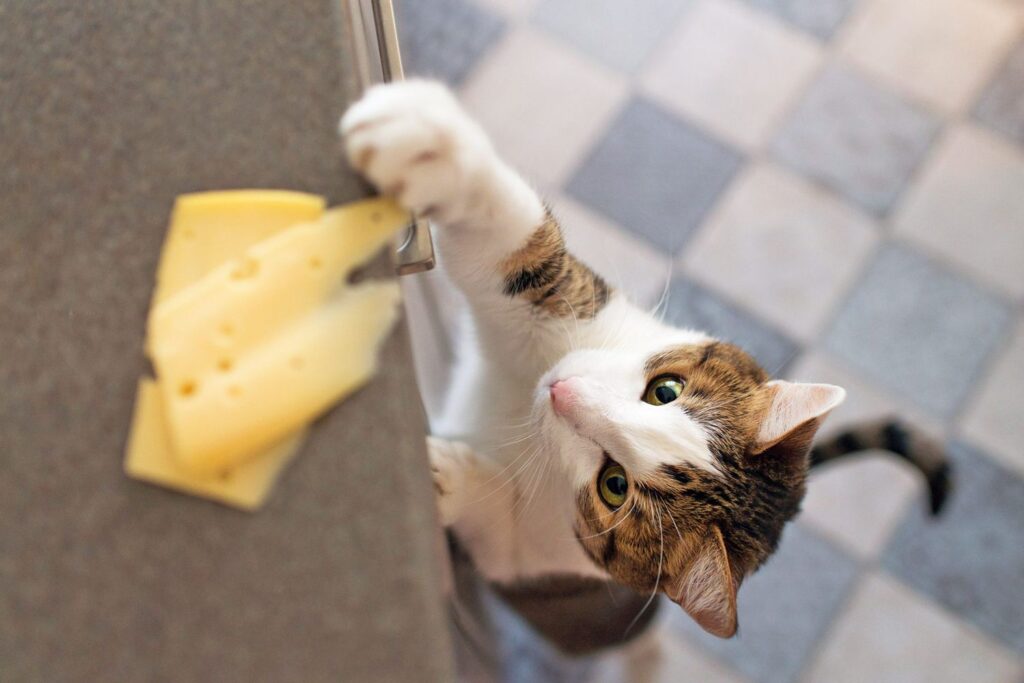
Using cheese as a medical aid can have several benefits. The palatability of cheese can help mask the taste and smell of medication, making it easier to administer to cats who are reluctant or difficult to medicate. Its soft texture also makes it easy to hide small pills or capsules. Cheese can be a helpful tool in ensuring that your cat receives the necessary medication without stress or resistance.
Precautions when using cheese in medication
While cheese can be a useful aid in medication administration for cats, some precautions should be taken. It is important to consult with your veterinarian before using cheese as a means to administer medication, as some medications may interact negatively with certain components in cheese. Additionally, it is crucial to accurately measure medication doses and ensure that the cheese is consumed entirely to avoid any potential under or overdosing.
The role of cheese flavor in masking medicine taste
The strong and distinct flavor of cheese can effectively mask the taste of medication, making it more palatable for cats. Cats are known for their discerning taste buds, and medications often have an unpleasant taste or smell. When hidden within a small piece of cheese, the medication becomes less noticeable, making the entire process more enjoyable for both the cat and the person administering the medication.
Suitable Types of Cheese for Cats
Types of cheese lower in lactose
When choosing cheese for cats, it is important to prioritize options that are lower in lactose. Aged and hard cheeses, such as cheddar and Swiss, generally have lower lactose content compared to softer varieties like cream cheese or feta. Opting for cheeses that are lower in lactose can reduce the risk of gastrointestinal upset in lactose-intolerant cats.
Cheese varieties that are lower in fat
To minimize the potential health risks associated with the high-fat content of cheese, it is advisable to choose options that are lower in fat. Part-skim or reduced-fat cheeses can provide cats with the desired taste and nutritional benefits without excessive fat intake. Always check the nutritional labels and choose cheese varieties that align with your cat’s dietary needs.
Flavors of cheese that cats might prefer
Cats have unique preferences when it comes to flavors, and some may be more inclined to enjoy certain types of cheese. While individual preferences can vary, many cats seem to enjoy mild and slightly sweet flavors, such as those found in cheddar or mozzarella. Experimenting with different cheese flavors can help you determine which ones your cat finds most appealing.
Alternatives to Cheese for Cats
Protein-rich alternatives
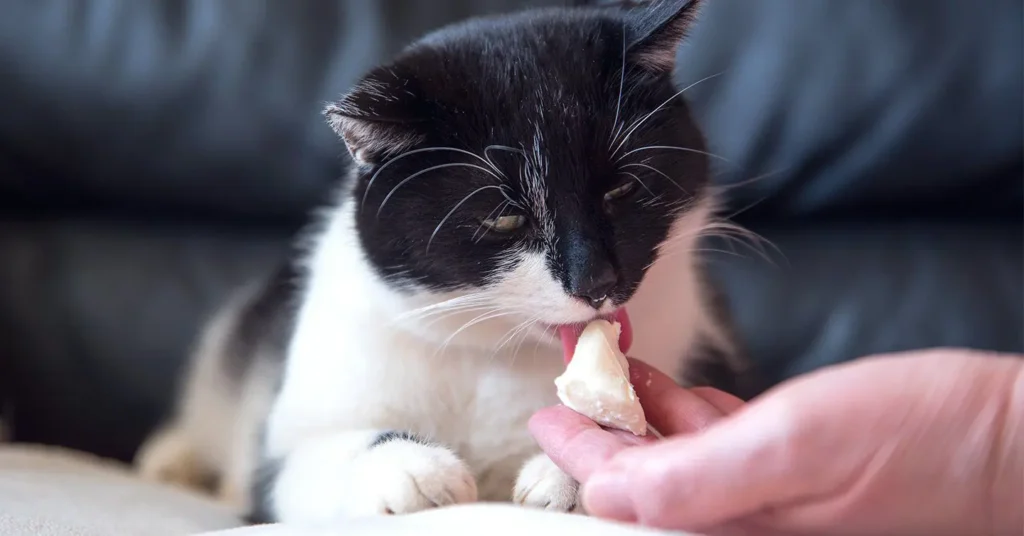
If you are looking for protein-rich alternatives to cheese for your cat, there are plenty of options available. Cooked meats like chicken, turkey, or fish can provide cats with high-quality proteins and essential amino acids. Additionally, commercially available cat foods formulated with animal-based proteins can be a convenient and balanced alternative to cheese.
Alternatives with lower fat content
To reduce the fat content in your cat’s diet, consider offering lean meats as an alternative to cheese. Skinless poultry or fish are excellent sources of protein with lower fat content. Additionally, there are specially formulated cat foods available that cater to cats with weight management needs or specific dietary requirements. Consult with your veterinarian to find the best alternatives for your cat.
Tasty options that cats may enjoy
Cats can be picky eaters, but there are plenty of tasty options besides cheese that they may enjoy. Canned tuna, boiled chicken, or freeze-dried meat treats can be highly appealing to cats while providing the necessary protein and nutrients. Additionally, offering a variety of textures and flavors through different cat-friendly foods can help keep mealtime exciting for your feline friend.
Professional Recommendations on Feeding Cheese to Cats
Views from veterinarians
Veterinarians generally advise caution when it comes to feeding cheese to cats. While cheese can be enjoyed as an occasional treat, its high fat content and the potential for lactose intolerance make it a less than ideal food choice for cats. Most veterinarians recommend prioritizing a balanced diet that consists of high-quality protein sources and meeting all of the cat’s nutritional needs.
Dietary guidelines for pet cats
Dietary guidelines for pet cats typically emphasize the importance of providing a well-balanced and species-appropriate diet. This means focusing on high-quality protein sources, minimizing carbohydrates, and avoiding excessive fat intake. While cheese may offer some nutritional benefits, it should be offered in moderation and should not replace a cat’s regular meals.
Scientific studies on cats and cheese consumption
Scientific studies on cats and cheese consumption are limited. However, research has shown that cats have limited lactase activity, indicating a potential difficulty in digesting lactose-rich foods like cheese. Furthermore, studies have also highlighted the association between high-fat diets and weight gain, obesity, and related health problems in cats. It is important to base feeding decisions on established scientific guidelines and consult with a veterinarian for personalized advice.
In conclusion, while cats can eat cheese, it should be fed in moderation and with consideration to the individual cat’s needs and preferences. Cheese can provide some nutritional benefits, such as protein and minerals, but its high fat content and potential for lactose intolerance should be taken into account. Offering small amounts of low-fat and low-lactose cheeses as occasional treats or as aids in medication administration can be beneficial. However, it is crucial to prioritize a well-balanced and species-appropriate diet for your feline friend, consulting with a veterinarian for specific dietary recommendations.