
Can Cats Get Coronavirus
If you’re a cat owner, you may be wondering, “Can cats get coronavirus?” The good news is that while cats can be infected with a strain of coronavirus, it is not the same virus that causes COVID-19 in humans. According to the American Veterinary Medical Association, there have been cases of cats testing positive for the virus that causes COVID-19 after being in contact with infected humans, but there is no evidence to suggest that cats can spread the virus to people. Remember to always follow proper hygiene practices and consult with your veterinarian if you have any concerns about your cat’s health.
Can Cats Get Coronavirus?
Hey there cat lovers! If you’re wondering whether your furry feline friend can get coronavirus, you’ve come to the right place. In this article, we’ll explore the topic in detail and provide you with all the information you need to keep your cat safe and healthy. So, let’s dive in and find out the answer to the burning question – can cats get coronavirus?

What is Coronavirus?
Before we delve into whether cats can get coronavirus, let’s first understand what this infectious disease is all about. Coronavirus is a type of virus that can cause illness in humans and animals. In humans, it can range from mild respiratory infections to more severe diseases like COVID-19. But can our beloved cats also be affected by this virus? Let’s find out.
Can Cats Get Coronavirus?
The short answer is yes, cats can get coronavirus. However, it’s important to note that the type of coronavirus that affects cats is different from the one that affects humans. The feline coronavirus (FCoV) is a common viral infection in cats, especially those in close quarters like shelters or multi-cat households. While FCoV is not the same as the coronavirus that causes COVID-19 in humans, it’s still something to be aware of as a cat owner.
Feline Coronavirus (FCoV)
Feline coronavirus (FCoV) is a virus that primarily affects the gastrointestinal system of cats. Most cats infected with FCoV do not show any symptoms and are able to fight off the virus on their own. However, in some cases, FCoV can mutate into a more severe form known as feline infectious peritonitis (FIP), which can be fatal for cats.
Feline Infectious Peritonitis (FIP)
Feline infectious peritonitis (FIP) is a rare and fatal immune-mediated disease caused by a mutation of the feline coronavirus. FIP can affect cats of all ages but is more common in kittens and older cats with weakened immune systems. The symptoms of FIP can vary and may include fever, weight loss, lethargy, and fluid accumulation in the abdomen or chest.
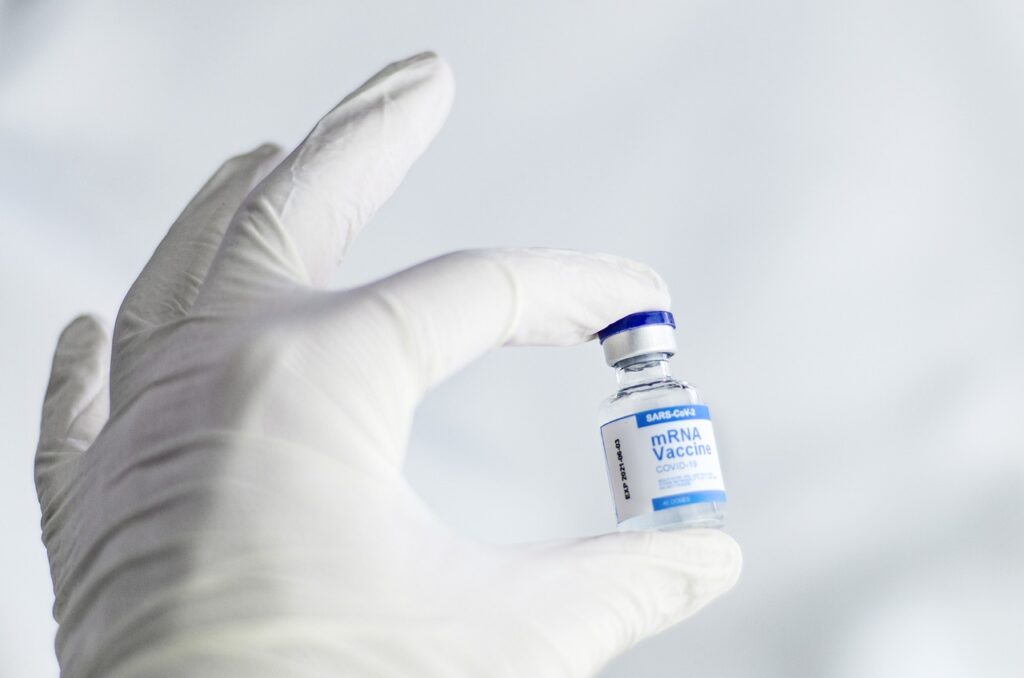
Can Cats Spread Coronavirus to Humans?
While cats can get their own version of coronavirus, there is currently no evidence to suggest that they can spread it to humans. The Centers for Disease Control and Prevention (CDC) states that the risk of pets spreading COVID-19 to people is considered to be low. However, if you have been diagnosed with COVID-19, it’s still a good idea to limit contact with your pets, just to be on the safe side.
Protecting Your Cat from Coronavirus
As a cat owner, there are several steps you can take to protect your feline friend from getting coronavirus. Here are some tips to keep your cat safe and healthy:
Regular Veterinary Check-ups
Make sure to take your cat to the veterinarian for regular check-ups and vaccinations. This will help ensure that your cat stays healthy and protected against diseases like feline coronavirus.
Keep Your Cat Indoors
Keeping your cat indoors can help reduce their exposure to viruses and other infectious agents. Indoor cats are less likely to come into contact with other animals that may carry diseases like FCoV.
Proper Hygiene
Maintaining good hygiene practices is important for both you and your cat. Make sure to wash your hands regularly, especially after handling your cat or cleaning their litter box. This will help prevent the spread of germs and viruses.
Clean Living Environment
Keeping your cat’s living environment clean and well-maintained can also help prevent the spread of diseases. Make sure to regularly clean your cat’s litter box, bedding, and toys to reduce the risk of infection.
Healthy Diet
Feeding your cat a balanced and nutritious diet is essential for their overall health and well-being. A healthy immune system is better equipped to fight off infections like feline coronavirus.

Conclusion
In conclusion, cats can get their own version of coronavirus, known as feline coronavirus (FCoV), but it is not the same as the virus that affects humans. While the risk of cats spreading COVID-19 to humans is low, it’s still important to take precautions to protect your pet and yourself. By following the tips mentioned above and staying informed about the latest developments, you can ensure that your furry friend stays safe and healthy. Keep loving and caring for your cat, and remember that they rely on you to keep them happy and healthy. Take care!