
Do Cats Get Sad When You Leave
Hey there! Ever wondered if your fur baby gets a case of the blues when you head out the door? In our article “Do Cats Get Sad When You Leave,” we’ll explore the fascinating world of feline emotions and whether or not our beloved pets experience feelings of sadness when we’re not around. Let’s delve into this intriguing topic and discover the truth behind your kitty’s emotional well-being!
Do Cats Get Sad When You Leave
Have you ever wondered if your feline friend gets upset when you leave the house? Many cat owners have observed behavior that suggests their cat may be experiencing feelings of sadness or distress when they are left alone. In this article, we will explore the question, “Do cats get sad when you leave?” and delve into the possible reasons behind this behavior.
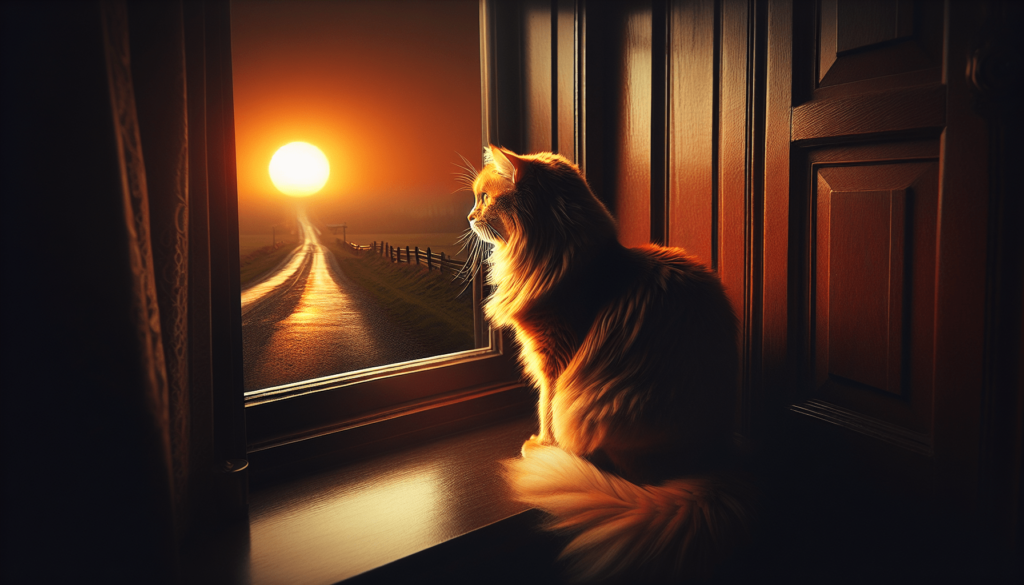
Signs That Your Cat May Be Sad When You Leave
If you have noticed changes in your cat’s behavior when you leave the house, it may be a sign that they are experiencing some level of distress or sadness. Some common signs that your cat may be feeling sad when you leave include:
- Excessive meowing or vocalization
- Destructive behavior, such as scratching furniture or knocking things over
- Changes in eating or grooming habits
- Lethargy or decreased activity levels
- Hiding or seeking out comfort in unusual places
Excessive Meowing or Vocalization
Have you ever come home to find your cat meowing incessantly or crying out? This behavior may be a sign that your cat is feeling stressed or anxious when left alone. Cats are social animals and can form strong attachments to their human caregivers. When you leave, your cat may vocalize their distress in an attempt to communicate their feelings.
Destructive Behavior
If your cat is engaging in destructive behavior, such as scratching furniture or knocking things over, it may be a sign that they are feeling anxious or upset. Cats may exhibit these behaviors when they are bored, anxious, or seeking attention. If you notice your cat engaging in destructive behavior when you leave, it may be a sign that they are feeling sad in your absence.
Changes in Eating or Grooming Habits
Changes in your cat’s eating or grooming habits can also be indicators that they are feeling sad when you leave. Cats may exhibit decreased appetite or grooming behavior when they are feeling anxious or stressed. Keep an eye on your cat’s eating and grooming habits to see if there are any changes that could indicate they are feeling sad in your absence.
Lethargy or Decreased Activity Levels
If your cat seems less playful or active than usual when you leave, it may be a sign that they are feeling sad or distressed. Cats are naturally curious and active animals, so a sudden decrease in activity levels could be a cause for concern. Pay attention to your cat’s behavior when you leave to see if they are exhibiting signs of lethargy or decreased activity.
Hiding or Seeking Comfort
Some cats may seek out hiding spots or display clingy behavior when their owners leave the house. This behavior can be a sign of separation anxiety or distress. If your cat seems to be spending more time hiding or seeking comfort in unusual places when you leave, it may be a sign that they are feeling sad in your absence.
Reasons Why Cats May Get Sad When You Leave
Cats are unique animals with complex emotions and behaviors. There are several reasons why your cat may get sad when you leave the house, including:
- Attachment to their human caregiver
- Boredom or loneliness
- Separation anxiety
- Environmental stressors
Attachment to Their Human
Cats can form strong attachments to their human caregivers and may feel a sense of security and comfort when their owner is present. When you leave, your cat may experience feelings of abandonment or loneliness, leading to sadness or distress. Building a strong bond with your cat through regular affection and attention can help alleviate these feelings when you are not home.
Boredom or Loneliness
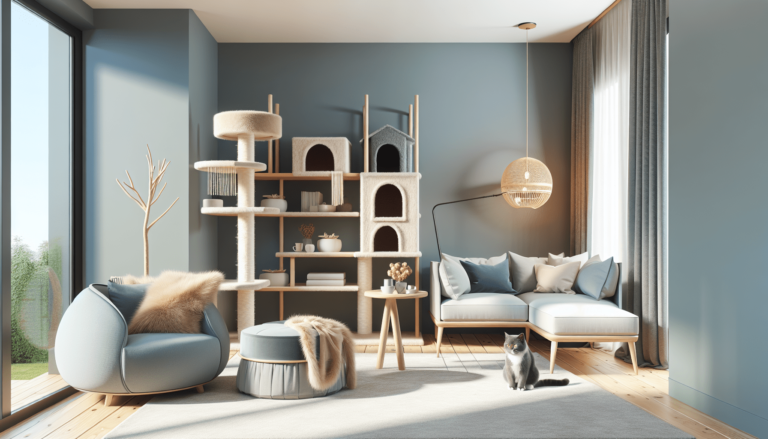
Cats are intelligent and social animals that require mental stimulation and interaction to thrive. When left alone for extended periods, cats may become bored or lonely, leading to feelings of sadness or distress. Providing enrichment activities, such as interactive toys, puzzle feeders, and cat trees, can help alleviate boredom and keep your cat mentally engaged when you are not home.
Separation Anxiety
Some cats may experience separation anxiety when their owners leave the house. Cats with separation anxiety may exhibit destructive behavior, excessive vocalization, or clingy behavior when left alone. Understanding your cat’s individual needs and providing a safe and secure environment can help alleviate feelings of anxiety and sadness when you are away.
Environmental Stressors
Environmental stressors, such as loud noises, unfamiliar scents, or changes in routine, can also contribute to your cat feeling sad or distressed when you leave. Cats are sensitive animals that can be easily affected by changes in their environment. Creating a calm and predictable environment for your cat can help minimize stress and anxiety when you are not home.
How to Help Your Cat When You Leave
As a caring cat owner, there are several steps you can take to help your feline friend feel more comfortable and secure when you leave the house. By addressing your cat’s emotional and physical needs, you can help alleviate feelings of sadness or distress in your absence.
Establish a Routine
Cats thrive on routine and predictability. Establishing a consistent daily routine can help your cat feel more secure and less anxious when you leave. Try to feed your cat at the same time each day, provide regular playtime and exercise, and maintain a consistent schedule for leaving and returning home.
Provide Enrichment Activities
Enrichment activities can help keep your cat mentally and physically stimulated when you are not home. Consider providing interactive toys, puzzle feeders, and climbing structures to keep your cat engaged and entertained. Providing a variety of enrichment activities can help alleviate boredom and loneliness in your absence.
Create a Safe and Comfortable Environment
Creating a safe and comfortable environment for your cat can help reduce feelings of anxiety and distress when you leave. Make sure your cat has access to a quiet and cozy hiding spot, comfortable bedding, and a clean litter box. Providing a secure environment can help your cat feel more at ease when you are not home.
Use Positive Reinforcement
Positive reinforcement can help ease your cat’s anxiety and reinforce positive behaviors when you leave. Consider using treats, toys, or praise to reward your cat for calm and relaxed behavior when you are preparing to leave or return home. Positive reinforcement can help create a positive association with your departures and reduce feelings of sadness or distress.
Consider Interactive Technology
Interactive technology, such as webcam monitors or automatic feeders, can help you keep an eye on your cat and provide stimulation when you are not home. Consider investing in interactive toys or devices that can engage your cat and provide mental stimulation in your absence. Interactive technology can help alleviate feelings of boredom and loneliness when you are away.
Conclusion
In conclusion, cats are complex and sensitive animals that can experience feelings of sadness or distress when their owners leave the house. By recognizing the signs of sadness in your cat and addressing their emotional and physical needs, you can help alleviate feelings of anxiety and provide a sense of security and comfort for your feline friend. Establishing a routine, providing enrichment activities, and creating a safe environment are all important steps in helping your cat feel more secure and less anxious when you are not home. Remember to observe your cat’s behavior and adjust your care routine as needed to ensure your cat feels happy and content in your absence.