
Do Cats Have Anal Glands
Have you ever wondered if cats have anal glands? Well, the answer is yes! Just like dogs and other animals, cats do have anal glands. These tiny sacs, located on both sides of their anus, play an important role in feline communication and hygiene. While they may not be the most glamorous feature of our feline friends, understanding the existence and function of these anal glands can help us better comprehend our furry companions. So, let’s explore the intriguing world of cat anal glands and discover why they matter.

Understanding The Anatomy of Cats
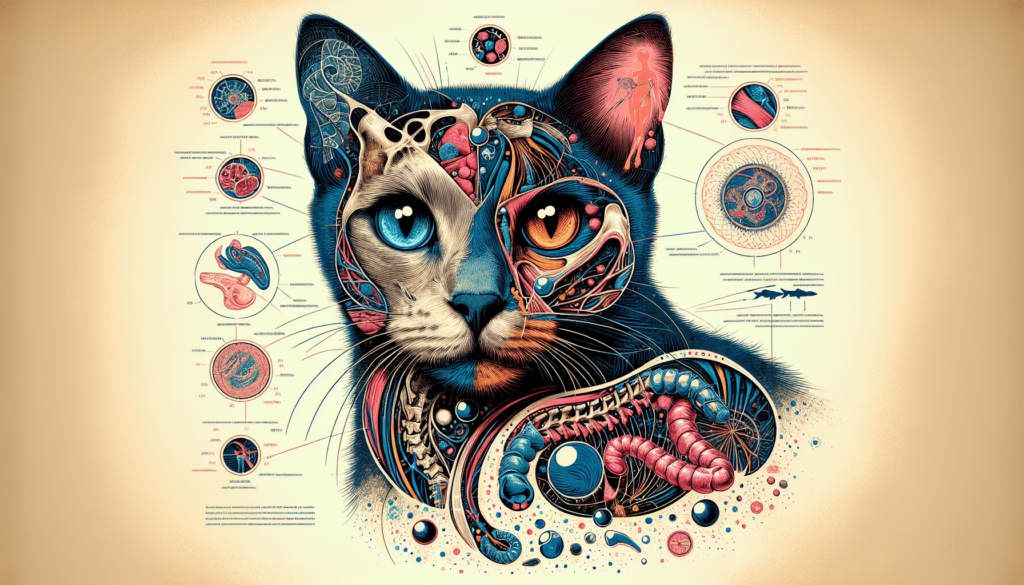
Cats, like many other mammals, have anal glands. These small, scent-producing glands play an important role in a cat’s digestive system and overall communication. While they may not be something that you think about on a daily basis, understanding the anatomy and function of cat anal glands can help you better care for your feline friend.
The digestive system of cats
The digestive system of cats is a complex and efficient system that allows them to break down and absorb nutrients from their food. It consists of several organs, including the mouth, esophagus, stomach, small intestine, and large intestine. The anal glands, also known as anal sacs, are part of the digestive system and are located near the cat’s anus.
Do cats have anal glands?
Yes, cats have anal glands. These tiny, pea-sized sacs are located just inside the cat’s anus and contain a smelly, oily substance. While the presence of anal glands is not unique to cats, they are particularly well-developed and important in feline anatomy.
The location of anal glands in cats
To get a better understanding of where the anal glands are located in cats, imagine the anus as a clock face. The anal glands are positioned at approximately 4 and 8 o’clock, just inside the anus. They are nestled within the surrounding tissue and are connected to the anus by small ducts.
The normal size and appearance of cat anal glands
In healthy cats, the anal glands are typically about the size of a pea and are not easily visible. They should feel soft to the touch and not be swollen or tender. The secretion produced by the anal glands is usually a thick, yellowish-brown substance with a pungent odor. The scent of this secretion is unique to each cat and serves as a form of communication.
The Function of Anal Glands in Cats
Role in digestion
One of the main functions of cat anal glands is to aid in the process of digestion. The oily secretion produced by the glands contains enzymes that help break down food and facilitate the passage of feces through the intestines. When a cat defecates, a small amount of the anal gland secretion is released onto the stool, providing lubrication and aiding in the elimination process.
Role in scent marking and communication
Another important function of cat anal glands is their role in scent marking and communication. When a cat rubs against objects or other animals, small amounts of the anal gland secretion are transferred. This leaves behind a distinct scent that is unique to each cat. It serves as a way for cats to mark their territory, communicate with other cats, and establish their presence.
What’s in the anal gland secretion?
The anal gland secretion is a complex mixture of substances that includes fatty acids, proteins, and other organic compounds. It contains pheromones that play a crucial role in cat communication. These pheromones can convey information about the cat’s health, reproductive status, and social hierarchy. The unique scent of the anal gland secretion is like a signature for each cat, allowing them to leave their mark on the world.
How Cats Naturally Empty Their Anal Glands
The process of natural expression
Cats have a natural mechanism for emptying their anal glands during bowel movements. When they defecate, the pressure exerted on the anal glands helps release a small amount of the secretion onto the stool. This natural expression is usually sufficient to keep the anal glands healthy and prevent any issues from occurring.
Factors affecting the cat’s ability to express its anal glands
While most cats are able to naturally express their anal glands without any problems, there are certain factors that can interfere with this process. Obesity, a sedentary lifestyle, or a diet that lacks sufficient fiber can contribute to poor bowel movements, resulting in inadequate emptying of the anal glands. In some cases, a cat may experience a blockage or inflammation of the anal glands, leading to discomfort and potential complications.
Problems Associated with Cat Anal Glands
Common anal gland conditions in cats
Cats can be prone to various anal gland issues, with the most common being anal gland impaction and infection. Anal gland impaction occurs when the glands become blocked, preventing the normal secretion from being released. This can lead to discomfort, pain, and swelling. Infections can occur when bacteria enter the blocked or inflamed glands, causing further complications.
Symptoms of anal gland issues in cats
If your cat is experiencing problems with their anal glands, there are some common signs to watch out for. These may include scooting or dragging their bottom along the ground, excessive licking or biting of the anal area, foul odor, swelling or redness around the anus, and difficulty defecating. Changes in behavior, such as increased aggression or decreased appetite, may also indicate anal gland issues.
Long-term implications of anal gland problems
If left untreated, anal gland problems in cats can lead to more serious complications. Chronic impaction or infection can cause the anal glands to become enlarged and painful. This can result in abscesses or the formation of anal gland cysts. In severe cases, surgical intervention may be necessary to alleviate the discomfort and prevent further complications.
How to Diagnose Anal Gland Issues in Cats
Visual signs
In some cases, you may be able to identify anal gland problems in cats by visually inspecting the area around the anus. Look for any swelling, redness, or discharge. However, it’s important to note that not all cases of anal gland issues are visually apparent, so it’s best to consult a veterinarian for a proper diagnosis.
Veterinary examination
A veterinarian will perform a thorough examination of your cat’s anal glands if there is a suspicion of anal gland problems. They may gently palpate the glands to check for any abnormalities or perform a rectal examination to assess the condition of the anal glands. This will help determine the appropriate course of treatment.
Laboratory tests
In certain cases, your veterinarian may recommend additional laboratory tests to further evaluate the anal gland issues. These may include a bacterial culture and sensitivity test to identify any underlying infections and determine the most effective antibiotic treatment. Blood tests may also be conducted to assess the overall health of your cat and rule out any underlying conditions.
Treatments for Anal Gland Problems in Cats
Manual expression by the veterinarian
If your cat is experiencing anal gland impaction or infection, manual expression may be necessary to relieve the blockage and promote healing. This procedure involves the veterinarian applying gentle pressure to the anal glands to release the accumulated secretion. While it may seem daunting, experienced veterinarians can perform this procedure safely and efficiently.
Medications
In some cases, medications may be prescribed to help manage anal gland issues in cats. Antibiotics are commonly used to treat anal gland infections. Anti-inflammatory medications or topical ointments may also be recommended to reduce swelling, discomfort, and promote healing. It’s important to follow the veterinarian’s instructions and complete the full course of treatment to ensure a successful resolution of the problem.
Surgical interventions
In severe or chronic cases of anal gland problems, surgical interventions may be necessary. This may involve removing the affected anal glands, a procedure known as anal gland removal or anal saculectomy. While this is a more invasive option, it can provide long-term relief for cats that are unable to find relief through other treatment methods.
The Process of Manual Expression of Anal Glands
When does a cat need manual expression?
Manual expression of the anal glands is typically performed when a cat is experiencing anal gland impaction or infection that cannot be resolved naturally. Signs that may indicate the need for manual expression include excessive scooting or licking of the anal area, foul odor, swelling, and discomfort.
Who can perform manual expression?
Manual expression of the anal glands should only be performed by trained professionals, such as veterinarians or veterinary technicians. They have the knowledge and expertise to safely and effectively perform the procedure. Attempting to express the anal glands at home without proper training can lead to injury or further complications.
Description of the procedure
During the manual expression procedure, the veterinarian will gently insert a gloved finger into the cat’s anus and apply gentle pressure to the anal glands. This pressure helps release the accumulated secretion and relieve any blockage or inflammation. The veterinarian will carefully monitor the cat’s response and adjust the pressure as needed to avoid causing discomfort or injury.
Potential Risks and Complications of Manual Expression
Possible discomfort or pain for the cat
Manual expression of the anal glands can cause discomfort or even pain for cats, especially if they are already experiencing anal gland problems. The sensation of pressure and manipulation in the sensitive anal area can be unpleasant. However, experienced veterinarians take precautions to minimize any discomfort and ensure the procedure is as gentle as possible.
Injury risk
There is a risk of injury during the manual expression of anal glands if not performed by a trained professional. The anal glands are delicate structures, and excessive force or improper technique can cause damage to the surrounding tissues or even rupture the glands. It’s important to entrust this procedure to a skilled veterinarian who can minimize the risk of complications.
Contraindications and considerations
Manual expression of anal glands may not be appropriate for every cat or every situation. Cats with certain medical conditions, such as anal gland abscesses or anal tumors, may require alternative treatments. Additionally, cats that are particularly anxious or aggressive may not tolerate the procedure well. Your veterinarian will consider these factors and determine the most appropriate course of action for your cat’s individual situation.
Prevention of Anal Gland Problems in Cats
Regular checks
Regularly checking your cat’s anal glands can help detect any early signs of problems. During grooming sessions, gently lift your cat’s tail and visually inspect the area around the anus. Look for any swelling, redness, or discharge. If you notice any abnormalities, contact your veterinarian for further evaluation.
Dietary considerations
A well-balanced diet that includes sufficient fiber can help promote healthy bowel movements and prevent anal gland issues. Consult with your veterinarian to determine the most suitable diet for your cat’s specific needs. They may recommend a high-quality commercial cat food or suggest adding fiber supplements to your cat’s diet.
Proper hygiene
Maintaining proper hygiene in your cat’s anal area can also help prevent anal gland problems. Avoid using harsh or irritating cleaning agents and opt for gentle cleansers specifically formulated for cats. Additionally, keeping your cat’s litter box clean and providing regular grooming to remove any debris or feces can help maintain the overall cleanliness of the anal area.
Conclusion: Anal Glands in Cats – Necessary and Sometimes Troublesome
Understanding the anatomy and function of anal glands in cats is essential for every cat owner. These often-overlooked structures play a crucial role in a cat’s digestive system and communication. Anal gland problems can be uncomfortable and potentially serious if left untreated. By being aware of the signs of anal gland issues, seeking veterinary care promptly, and following preventive measures, you can help ensure your cat’s anal glands remain healthy and functional.
In summary, anal glands are necessary and sometimes troublesome for cats. They contribute to digestion and scent marking, but can also become impacted or infected, causing discomfort and potential complications. Veterinary examination and proper diagnosis are crucial for effective treatment. Manual expression by a trained professional, medications, or surgical interventions may be necessary depending on the severity of the condition. Regular checks, dietary considerations, and proper hygiene can help prevent anal gland issues. Remember, keeping your cat’s anal glands healthy is an important part of their overall well-being.