How Do Cats Purr
Have you ever wondered about the mysterious rumbling sound that emanates from your feline friend? In this article, we will explore the fascinating world of cat purring and uncover the secrets behind this enchanting behavior. Whether you’re a lifelong cat lover or simply curious about the inner workings of these furry companions, prepare to be captivated by the science and wonder of how cats purr. From the mechanics of their vocal cords to the therapeutic benefits, we will unravel the mysteries behind this unique and soothing sound. So sit back, relax, and embark on a delightful journey into the mesmerizing world of purring cats.
Understanding Purring
Defining purring
Purring is a soft, rhythmic sound produced by cats, often associated with contentment and relaxation. It is a form of communication that plays a vital role in cat behavior. Understanding the meaning and purpose of purring is key to deciphering a cat’s emotions and needs.
Role of purring in cat behavior
Purring serves various purposes in the feline world. While it is commonly thought to indicate happiness and contentment, cats also purr in other situations. Sometimes, purring can be a self-soothing mechanism during times of stress, fear, or pain. Additionally, nursing kittens use purring to communicate with their mothers and siblings, conveying a sense of security and closeness.
Observable patterns in purring
When it comes to purring, different cats have distinct patterns. Some felines are known to be more vocal, frequently purring and engaging in communication with their owners, while others may purr more silently. The intensity, duration, and frequency of purring can vary greatly among individual cats, and understanding these patterns can provide insights into their emotions and overall well-being.
The Anatomy of a Purr
Involved body parts in purring
Purring is a complex physiological process involving various body parts. It primarily occurs in a cat’s throat, but other parts also play a role. The vocal cords, larynx, diaphragm, and even the muscles around the chest and abdomen all contribute to generating the soothing sound of purring.
Analysis of the cat’s larynx and diaphragm
The larynx and diaphragm are crucial components in the purring mechanism. The larynx controls the flow of air, while the diaphragm contracts and relaxes to regulate the intensity and rate of purring. By understanding the intricacies of these anatomical structures, we can gain a deeper appreciation for the mechanics behind a cat’s purr.
Flow of blood in relation to purring
Purring is not limited to just the respiratory system; blood flow also plays a role. Studies suggest that the blood vessels near a cat’s larynx vibrate during purring, resulting in subtle vibrations that contribute to the audible sound. The relationship between blood flow, muscle contractions, and the production of purring remains an intriguing area of research.
The Science Behind Purring
Purring frequency in Hz
The scientific measurement of purring involves analyzing the frequency at which it occurs. Purring typically falls within a range of 25 to 150 Hz, which coincidentally aligns with the frequency range known to have therapeutic effects on various biological processes. This fascinating overlap raises questions about the potential healing properties of purring.
Involvement of the nervous system in the purring process
The production of a purr involves a intricate interaction between the cat’s nervous system and respiratory system. As a cat inhales and exhales, signals from the brain and spinal cord synchronize with the contractions of the diaphragm and larynx, resulting in the characteristic purring sound. This interplay showcases the intricate nature of the feline body.
Influence of the central pattern generator
The central pattern generator (CPG), a network of neurons within a cat’s brainstem, is responsible for generating rhythmic movements such as walking and running. Recent studies indicate that the CPG also plays a role in producing the repetitive contractions that create purring. The connection between the CPG and purring sheds light on the neural basis of this unique behavior.
Different Types of Purring
Differences in purring among various cat breeds
Not all cats purr in the same way. Different breeds may exhibit variations in the type and intensity of their purring. For example, some breeds, like the Siamese or Oriental Shorthair, are known for their more vocal purring, while others, such as the Maine Coon or Ragdoll, tend to produce deeper and more powerful purrs. These breed-specific purring characteristics add to the beauty of feline diversity.
Identifying contentment purrs
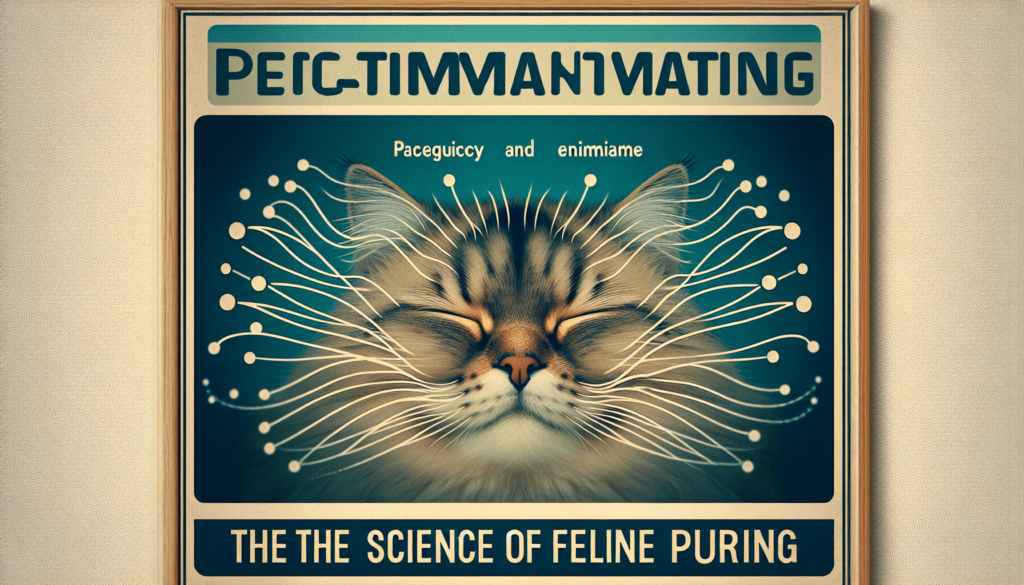
Contentment purrs are perhaps the most recognizable type of purring. They are typically soft, gentle, and consistent, indicating a cat’s state of relaxation and happiness. Contentment purrs are often accompanied by other signs of relaxation, such as a relaxed body posture, half-closed eyes, and a gentle swishing tail. Recognizing these purrs can deepen the bond between humans and their feline companions.
Recognizing distress purrs
While purring is typically associated with positive emotions, it is also a communication tool cats use to express distress. Distress purring is usually louder, more erratic, and interspersed with other vocalizations like meowing or growling. Identifying distress purrs can help cat owners address the underlying issues causing their cat’s discomfort and provide appropriate care and support.
Purring in Relation to a Cat’s Health
Importance of understanding your cat’s purr
As a cat owner, it is essential to be attuned to your cat’s purring patterns. It can serve as a barometer of their overall health and well-being. Changes in the frequency, duration, or quality of purring may indicate underlying health concerns or stress. By understanding your cat’s unique purring language, you can respond promptly to their needs and ensure their continued comfort.
Link between purring and health concerns
Purring has been associated with various health benefits, including stress reduction, reduced blood pressure, and accelerated healing. However, it is important to note that excessive or abnormal purring can also be a sign of underlying health problems. If your cat’s purring becomes unusually intense, inconsistent, or is accompanied by other concerning symptoms, it is advisable to consult a veterinarian to rule out any underlying medical conditions.
Identifying abnormal purring
Abnormal purring can manifest in different ways. For instance, a sudden change in purring habits, such as a significant decrease or complete absence of purring, can indicate illness or distress. Similarly, purring that occurs during times of physical discomfort or pain, such as when a cat is injured, should be assessed carefully. Being observant and recognizing abnormal purring can help in detecting potential health issues early on.
Purring as a Healing Mechanism
Theories on purring as self-healing
Purring has long been associated with the regeneration and healing of bones and tissues in cats. Research suggests that the vibrations generated during purring may stimulate the production of growth factors, which accelerate tissue repair. While further studies are needed to fully understand the extent of purring’s healing capabilities, this theory offers intriguing possibilities.
The effect of purring on bone regeneration and growth
Studies have shown that cats‘ purring vibrations, which range from 20 to 140 Hz, may have a positive effect on bone density and strength. It is believed that exposure to these frequencies can promote bone growth and aid in the healing process, making purring a potential therapeutic mechanism for both cats and humans. However, more research is needed to validate these findings.
Purring as a mechanism to heal soft tissue injuries
In addition to its potential influence on bone healing, purring may also aid in the recovery of soft tissue injuries. The vibrations generated by purring have been suggested to improve blood circulation and promote the regeneration of damaged tissues. This healing mechanism, if confirmed, could have far-reaching implications for both veterinary and human medicine.
Purring and Communication
Purring as a form of communication with humans
Cats use purring not only to communicate with other cats but also to express their emotions and needs to humans. They often purr to seek attention, convey affection, or simply as a means of bonding. Understanding the nuances of your cat’s purring can help you better interpret their intentions and establish a stronger connection with your feline companion.
Interpreting a cat’s purring
Interpreting a cat’s purring requires careful observation and consideration of the context. While contentment is the most common association with purring, it can also signal hunger, discomfort, or even frustration. Paying attention to accompanying body language, other vocalizations, and environmental factors can help you decipher the true meaning behind your cat’s purrs.
How kittens learn to purr
Purring is an innate behavior, but kittens still need to learn how to purr effectively. They acquire this skill through observation and imitation of their mother and littermates. Kittens start purring at just a few days old, using it as a means of communication and fostering a sense of security within their family unit. As they grow, purring becomes an integral part of their social interactions.
How to Encourage Your Cat to Purr
Understanding the comfort zones of your cat
To encourage your cat to purr, it is vital to create a safe and comfortable environment for them. Cats have different comfort zones, and respecting their boundaries is crucial. Provide them with cozy resting spots, engaging toys, and regular affectionate interactions tailored to their preferences. By understanding and catering to your cat’s individual needs, you can create an environment that promotes purring and overall well-being.
Maintaining a peaceful environment
Cats are sensitive creatures that thrive in calm and peaceful surroundings. To encourage purring, minimize stressful stimuli such as loud noises or sudden changes in routine. Creating a peaceful environment will help your cat feel secure, relaxed, and more inclined to express their contentment through purring.
Favorite activities that stimulate purring
Engaging in activities that bring your cat joy and stimulation can contribute to increased purring. These can include gentle play sessions, interactive puzzle toys, or even dedicated grooming sessions. By providing opportunities for mental and physical stimulation, you can encourage your cat’s natural inclination to purr while fostering a stronger bond between you and your feline companion.
Comparing Cat and Wildcat Purring
Comparison of the purring of domestic cats and big cats
Both domestic cats and big cats, such as lions and tigers, have the ability to produce purring sounds. However, there are notable differences in their purring patterns. Domestic cats typically have a more continuous purr, while big cats produce intermittent purrs. Despite these differences, purring remains a universal language of feline expression, conveying a sense of comfort and companionship.
Exploring why some wildcats do not purr
While domestic cats and big cats share the ability to purr, not all wildcats have this capability. The exact reasons are not fully understood, but it is believed to be related to differences in their anatomical structures and the specific functions served by their vocalizations. These distinctions highlight the complexity and diversity of feline communication.
Differences between domestic cat purring and wildcat purring
In addition to the absence of purring in some wildcats, differences can also be observed in the sound and mechanisms of purring between domestic cats and their wild counterparts. Domestic cats tend to have a wider range of purring sounds, while wildcats typically produce more uniform vocalizations. These variations reflect the evolutionary adaptations that shape the unique purring patterns in different feline species.
Removing Misconceptions About Purring
Debunking common myths about cat’s purring
Purring has attracted various misconceptions throughout history. One common myth is that cats only purr when they are content, overlooking the potential for purring to signify discomfort or pain. Another myth is that purring is solely a result of a cat’s larynx vibrating, disregarding the role of other body parts in the purring process. By debunking these misconceptions, we can deepen our understanding of purring and its multifaceted nature.
Discussing misconceptions about the link between purring and health problems
There is a widespread misconception that purring is always a sign of good health in cats. While purring can indicate contentment and relaxation, it is not a foolproof indicator of overall well-being. Cats may also purr in response to injury, illness, or stress. Recognizing these misconceptions helps ensure that cat owners seek appropriate medical attention when necessary, even in the presence of purring.
Correcting errors in understanding purring frequency and patterns
Another common misunderstanding about purring is related to its frequency and patterns. Purring is not limited to one specific frequency or consistent pattern across all cats. There is considerable variation and individuality in terms of purring rates, durations, and intensities. By dispelling these misconceptions, we can foster a more accurate and comprehensive comprehension of the diversity of purring in the feline world.
In conclusion, purring is a fascinating aspect of feline behavior that serves various functions, from communication and healing to indicating a cat’s emotional state and overall health. By understanding the anatomy, science, and nuances of purring, we can better appreciate and respond to our feline companions, strengthening the bond between humans and cats. So the next time you hear your beloved cat purr, remember, they are conveying a world of messages through that simple, comforting sound.