
How To Hold A Cat
Are you a cat lover looking to improve your cat handling skills? Look no further! In this article, you will find a comprehensive guide on how to hold a cat with ease. Whether you are a seasoned cat owner or a newbie, these simple yet effective techniques will ensure that you and your furry friend have a safe and comfortable time during cuddle sessions. So, grab a cup of tea, get cozy, and get ready to learn the art of holding a cat like a pro!
Prepare for the Hold
Approach the cat calmly
When approaching a cat, it’s important to maintain a sense of calm and tranquility. Cats are sensitive creatures, and sudden movements or loud noises can startle them. Instead, walk slowly towards the cat, allowing it to become aware of your presence. This will help the cat feel more at ease and increase the chances of a successful hold.
Speak in a soft and soothing voice
As humans, we tend to underestimate the power of our voice when it comes to interacting with cats. Speaking in a soft and soothing voice can have a profound effect on their behavior. When you approach a cat, try speaking in gentle tones to help create a calming atmosphere. This will not only make the cat more comfortable but also signal to them that you are a friend.
Allow the cat to sniff and get comfortable with you
Before attempting to hold a cat, it’s crucial to let them sniff and get familiar with your scent. Extend your hand towards the cat, palm facing down, allowing them to approach and investigate at their own pace. This process helps build trust and creates a bond between you and the cat. Patience is key during this stage, as forcing the cat to interact before they are ready can lead to anxiety and resistance.
Understand Cats’ Body Language
Identifying positive signs of comfort and trust
Understanding a cat’s body language is essential for creating a safe and comfortable hold. Positive signs include relaxed ears, slow blinking, smooth fur, and a slightly arched back when they approach you. These signs indicate that the cat feels comfortable and trusts you. When you see these signals, it’s a good indication that you can proceed with the hold.
Identifying negative signs of fear and discomfort
On the other hand, negative signs such as flattened ears, dilated pupils, raised fur along the spine, and a low, defensive body position indicate fear or discomfort. It’s crucial to recognize and respect these signals to avoid causing distress to the cat. If you notice any of these signs, it’s best to back off and give the cat some space. Trying to hold a cat when they are exhibiting fear or discomfort can result in scratches, bites, or a strained relationship.
Adapting to the cat’s response
Every cat is unique, and their response to being held may vary. It’s important to adapt to their individual needs and preferences. Some cats may enjoy being held for long periods, while others may prefer shorter, intermittent holds. Pay attention to their body language and behavior during the hold, and adjust accordingly. Respecting their boundaries will create a positive experience for both you and the cat.
Lift the Cat
Position your hand under the cat’s chest
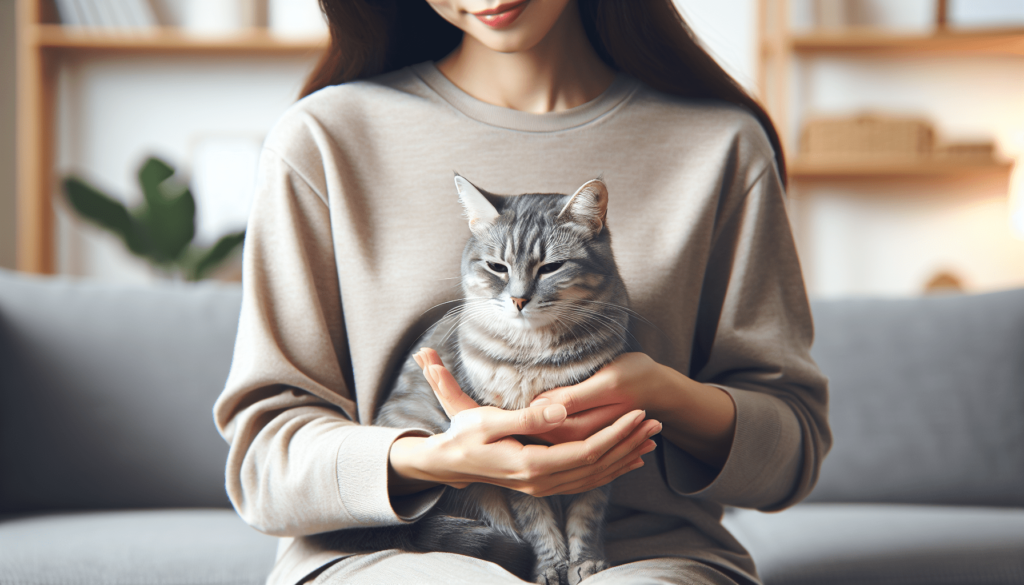
When lifting a cat, it’s essential to support their body properly. Begin by positioning one hand under the cat’s chest, gently lifting their front legs off the ground. Avoid squeezing or applying pressure to their chest, as this can cause discomfort or anxiety. The goal is to provide a secure base of support for the cat’s upper body.
Support the cat’s hind legs
Simultaneously, use your other hand to support the cat’s hind legs. Place your hand beneath their hindquarters, ensuring that their legs are fully supported. This step is crucial to prevent the cat from feeling unbalanced or insecure during the hold. It’s important to maintain a gentle and supportive grip throughout the entire lifting process.
Gently pick the cat up
Once your hands are in position, use a smooth and gentle motion to lift the cat off the ground. Avoid any sudden jerking or quick movements, as this can startle or destabilize the cat. Remember to keep your movements slow and deliberate, communicating to the cat that they are safe in your hands. A gentle lift demonstrates care and helps build trust between you and the cat.
Securing the Hold
Hold the cat close to your chest
After lifting the cat, secure the hold by bringing them close to your chest. Cradle them gently against your body, providing a sense of warmth and security. This position allows the cat to feel your heartbeat and smell your familiar scent, helping them feel more at ease. Keeping the cat close to your chest also helps prevent them from attempting to jump or wiggle free.
Ensure the cat’s tail isn’t trapped or uncomfortable
While securing the hold, pay attention to the cat’s tail. Ensure that it isn’t trapped or in an uncomfortable position. Cats use their tails for balance and communication, so it’s crucial to give them enough freedom to move it naturally. Be mindful of not applying any pressure or restricting the tail’s movement during the hold.
Calm the cat with petting
To create a soothing and positive experience for the cat, try gently petting them while holding. Stroke their fur in the direction that they prefer, paying attention to their body language. Many cats enjoy being petted behind the ears or on the chin. However, it’s important to be aware of any signs of discomfort or overstimulation. If the cat seems agitated, reduce or stop the petting.

Different Types of Holds
Cradle hold
The cradle hold is a classic and comfortable way to hold a cat. To perform this hold, place one hand under the cat’s chest, lifting their front legs, and use your other hand to support their hindquarters. Bring the cat close to your chest, with their body facing yours and their head resting in the crook of your arm. The cradle hold is ideal for bonding and providing a sense of security.
Standing hold
The standing hold is useful when you need to hold a cat for a shorter period while standing. Similar to the cradle hold, place one hand under the cat’s chest and use your other hand to support their hindquarters. However, instead of bringing the cat close to your chest, hold them in a slightly elevated position in front of you. This hold allows for easy movement while still ensuring the cat’s safety.
Shoulder hold
The shoulder hold is a unique and playful way to hold a cat. With the cat facing your back, bring one hand under their chest and use your other hand to support their hindquarters. Gently lift the cat onto one shoulder, allowing their body to rest against your back. This hold provides an elevated viewpoint for the cat, allowing them to observe their surroundings while feeling secure.
Lap sit
The lap sit hold is perfect for quiet bonding moments. Sit down and make yourself comfortable, then gently place the cat on your lap, supporting their entire body. Allow the cat to curl up or stretch out as they please, providing a peaceful and enjoyable experience for both of you. The lap sit hold is suitable for longer periods of holding, such as while watching TV or reading a book.
Holding a Kitten
Be gentle and slow with your movements
When holding a kitten, it’s essential to be particularly gentle and slow with your movements. Remember that kittens are small and fragile, and excessive force or abrupt motions can cause harm. Approach the kitten slowly and use a delicate touch when lifting and holding them. This will help the kitten feel secure and minimize any potential stress.
Secure a firm but not tight grip
While it’s important to hold a kitten securely, it’s equally crucial not to apply too much pressure. Secure a firm but gentle grip, ensuring that the kitten feels safe without experiencing discomfort. Be mindful of their delicate bones and muscles, adjusting your hold as needed. A secure grip will help the kitten feel protected and build trust between you.
Ensure the kitten’s comfort at all times
Kittens are still growing and developing, so it’s vital to prioritize their comfort during the hold. One way to ensure their comfort is by providing a soft surface for them to rest on, such as a blanket or a cushioned hand. Additionally, pay attention to their body language and adjust your hold if the kitten appears restless or uncomfortable. Making the hold pleasant for the kitten will create a positive association with being held in the future.
Handling an Agitated Cat
Spot the signs of an agitated cat
An agitated cat may exhibit various signs that indicate they are not comfortable with being held in that moment. These signs include hissing, growling, ears flattened against the head, an arched back, swishing tail, and dilated pupils. These behaviors communicate the cat’s displeasure or fear. It’s important to respect their boundaries and avoid attempting to hold an agitated cat.
How to calm an agitated cat before holding
Instead of immediately attempting to hold an agitated cat, focus on calming them down first. Creating a calm environment by reducing noise and distractions can be helpful. Offer the cat a safe space to retreat to, such as a cozy bed or a secluded area. You can also engage the cat in play or use calming techniques, such as gentle petting or using pheromone sprays specifically designed to alleviate stress in cats. Providing these calming measures can help relax the cat and increase their comfort level.
Safely putting down an agitated cat
If you find yourself in a situation where you need to put down an agitated cat, it’s crucial to do so safely. Start by slowly lowering the cat towards the ground, allowing them to regain their stability and composure. Be mindful of not dropping the cat abruptly, as this can cause injury or escalate their agitation. Once the cat is released, give them space and time to calm down on their own terms.
Holding a Cat for Medical Examination
Partner hold
Sometimes, holding a cat for a medical examination requires more than one person. A partner hold involves one person restraining the cat’s body while another person performs the examination or procedure. The person restraining the cat should hold them firmly but gently, ensuring that their movements are restricted to minimize the risk of injury.
Stretch hold
A stretch hold is often necessary during certain medical procedures or when the cat needs to be immobilized. It involves gently stretching the cat’s body, keeping them still and secure. Always consult with a veterinarian or a trained professional for guidance on performing a stretch hold safely. This hold should only be done when absolutely necessary and under professional supervision.
Scoop hold
The scoop hold is a technique commonly used during oral examinations or when administering oral medication to a cat. Start by placing one hand under the cat’s chest, lifting their front legs off the ground. Use your other hand to support the hindquarters. This hold allows the cat to face away from you, providing easy access to the mouth for examinations or medication administration.
Adapting your hold based on the cat’s comfort
When holding a cat for medical examination, always prioritize their comfort and well-being. If you notice signs of distress or resistance, consider adjusting your hold or seeking help from a professional. Remember, the aim is to ensure the cat’s safety while minimizing stress during medical procedures.
When Not to Hold a Cat
Understanding when a cat doesn’t want to be held
It’s crucial to respect a cat’s boundaries and understand when they do not want to be held. Cats are independent animals with their own preferences and comfort levels. Signs that a cat may not want to be held include hissing, growling, attempting to escape, swatting, and displaying aggressive body language. It’s important to recognize and honor these signals to avoid causing harm or damaging the trust between you and the cat.
Respecting a cat’s boundaries
Respecting a cat’s boundaries is key to maintaining a healthy and trusting relationship. If a cat doesn’t want to be held, it’s important to provide them with personal space and alternative forms of interaction. This might involve engaging in playtime or offering affection through gentle petting without restraint. Giving the cat control over their own space and interactions fosters trust and strengthens the bond between you.
Ensuring cat’s comfort and safety
Above all, it is crucial to prioritize the cat’s comfort and safety when determining whether or not to hold them. If the cat appears stressed, anxious, or uncomfortable, it’s best to give them space and time to relax. Ensuring their well-being should always be the top priority, even if it means forgoing the act of holding them altogether.
Training Your Cat to Be Held
Start training at a young age, if possible
Training your cat to be held is most effective when started at a young age. Kittens are generally more receptive to new experiences and handling. Gradually introduce them to being held in a safe and positive environment. By starting early, you can help establish a lifelong comfort and trust in being handled.
Associate holding with positive experiences
To help your cat associate being held with positive experiences, incorporate treats or praise during the training process. Begin by gently picking up the cat for short durations, gradually increasing the time as the cat becomes more comfortable. Provide treats or verbal praise immediately after each successful hold to reinforce the positive connection between being held and receiving rewards.
Reinforce good behavior with treats
Throughout the training process, continue to reinforce good behavior with treats. This positive reinforcement encourages the cat to associate being held with a pleasant experience. By providing treats and rewards consistently, you can help build trust and reduce anxiety associated with being held.
Practice makes perfect – regular short sessions
Consistency and regular practice are key when training your cat to be held. Schedule short training sessions frequently to allow for repeated positive experiences. Over time, with patience and dedication, your cat will become more comfortable with being held and may even seek out your affectionate embraces.
Holding a cat can be a rewarding and bonding experience when done correctly. By preparing for the hold, understanding a cat’s body language, practicing proper technique, and respecting their boundaries, you can create a positive and pleasant experience for both you and your feline friend. Remember, each cat is unique, and what works for some may not work for others. Always prioritize the comfort and well-being of the cat, and seek professional advice if needed. With time, patience, and love, you and your cat can enjoy the joys of a warm embrace.